Direct:
- Students of the Master's program in Natural Resources and of the Biology, Anthropology, Agroecology, Environmental Engineering and Agronomy programs at the University of Azuay and other higher education institutions in the country.
- University teachers and researchers linked to lines of biodiversity, agroecology, ethnobiology, rural development and environmental management.
- Professionals and technicians from public institutions with environmental and agricultural competence, from decentralized autonomous governments and from non-governmental conservation organizations.
- Members of peasant organizations, agroecological cooperatives, seed guardian networks and social and solidarity economy organizations that work with agrobiodiversity.
Indirect:
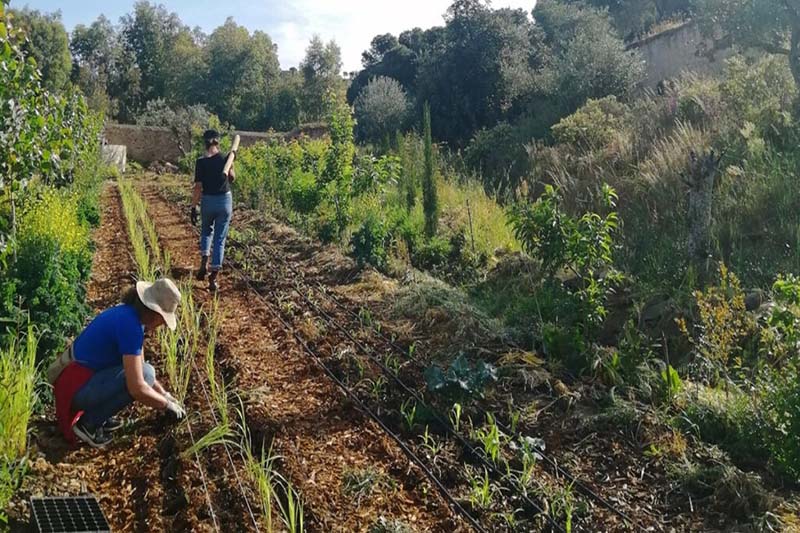
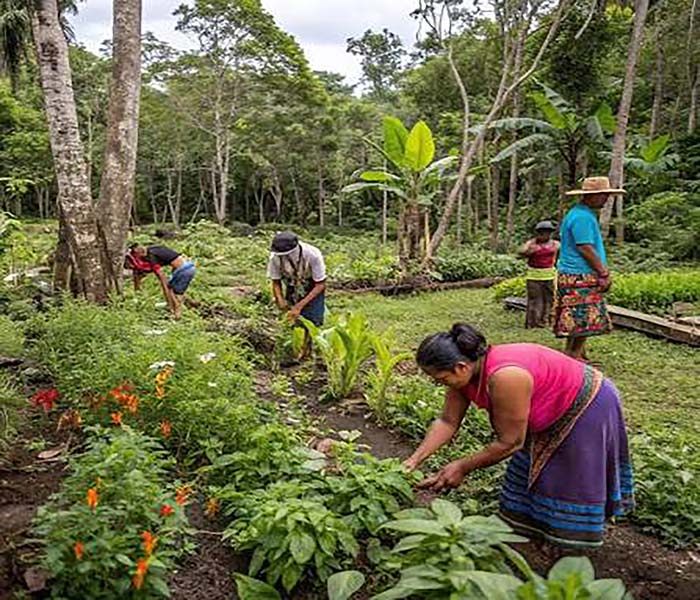
- Rural communities and producer families of southern Ecuador linked to field practice and the resulting research processes.
- Organizations and territories where participants carry out their professional practice.
- The academic community of the University of Azuay, through the products and collaborations that are generated.
Previous knowledge:
Basic knowledge of ecology and general biology is required, equivalent to that acquired in the first levels of a degree in life sciences, agricultural sciences, or social sciences with an environmental focus. No prior specialized training in genetics, ethnobotany, or statistics is required. Reading comprehension skills in English are recommended, as some of the course materials are in English; however, the course will be conducted entirely in Spanish.