Academic Conference on Special Education: Disability, Rights and Social Justice

26th to 27th November 2026

Face-to-face modality
12 hours (8 contact hours and 4 hours of autonomous work)

Sign up
Course

About this course

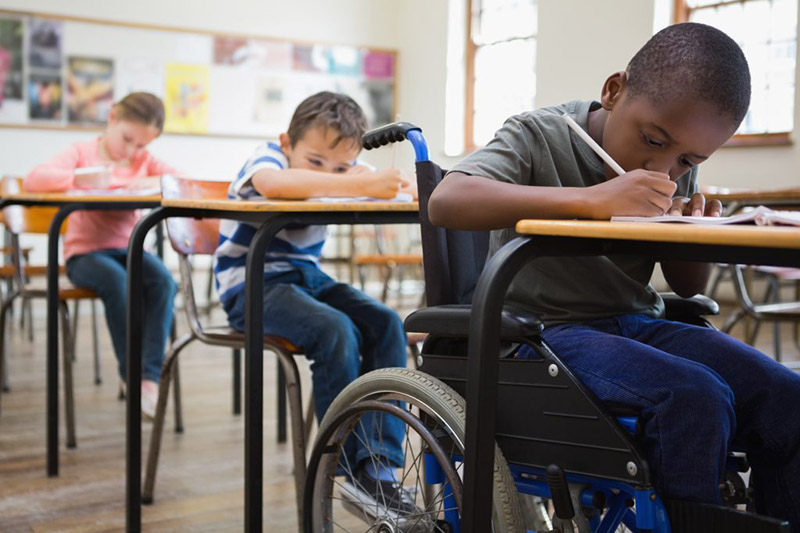
Disability is addressed from a social and human rights model that promotes the elimination of barriers to inclusion. Its evolution requires transforming teaching methods to provide equitable support to people with disabilities in Ecuador.

This academic event aims to foster debate, knowledge sharing, and methodological proposals in response to current classroom challenges. It is a space for teachers, researchers, and students committed to socio-educational transformation.

Transform your educational practice and promote social inclusion! Join this innovative space for scientific debate and pedagogical co-creation to lead the change towards inclusive education with real, cutting-edge impact.

See more
image course
image course

Objectives

To implement a space for scientific debate, academic dissemination and engagement with society that critically analyzes the specialized education of people with disabilities, in order to propose methodological solutions applicable from academia.

Specific objectives

  • To foster spaces for epistemic and interdisciplinary debate among researchers, educators, and teaching students for the co-creation of theoretical and methodological knowledge contextualized to the socio-educational reality of Ecuador.
  • Sharing the practical knowledge, methodologies, and daily challenges of teachers in specialized education institutions, through dialogue tables, in order to make visible the reality of the classroom in the field of special education.
  • To disseminate specific pedagogical knowledge, methodological proposals and didactic-technological resources for students with disabilities through the publication of an academic product resulting from the event.
  • To strengthen the ethical, technical and pedagogical skills of teachers in private practice and in training, through learning spaces that promote teacher updating with a scientific basis and critical sense.
ODS

Sustainable development goals

Quality education

Quality education

Reduction of inequalities

Reduction of inequalities

Methodology

The course combines expert lectures, academic discussion panels, and cross-cutting spaces for reflection that foster the co-creation of transformative methodological solutions.

Duration

Duration

Duration

12 hours (8 contact hours and 4 hours of autonomous work)

Opening hours

From November 26 to 27, 2026 from 15:00 p.m. to 19:00 p.m.

Mode

In‑person

Teachers)

Teachers)

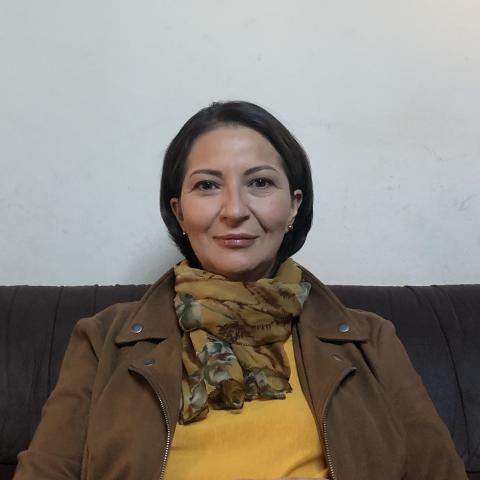
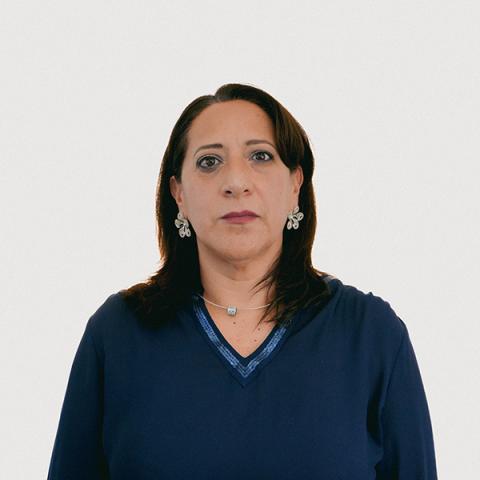
Liliana Arciniegas Siguencia

Liliana Arciniegas Siguencia

Instructor

  • Bachelor of Science in Education, Specializing in Special Education and Preschool
  • Master's Degree in Intervention in Learning Difficulties
  • Specialist in University Teaching
  • Professor of Educational Sciences
  • Doctor of Humanities and Arts with a specialization in Educational Sciences

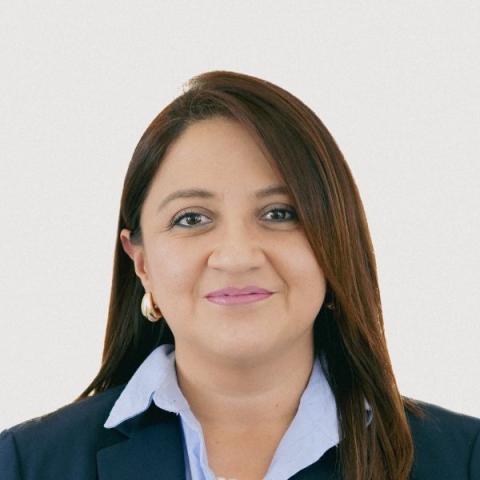
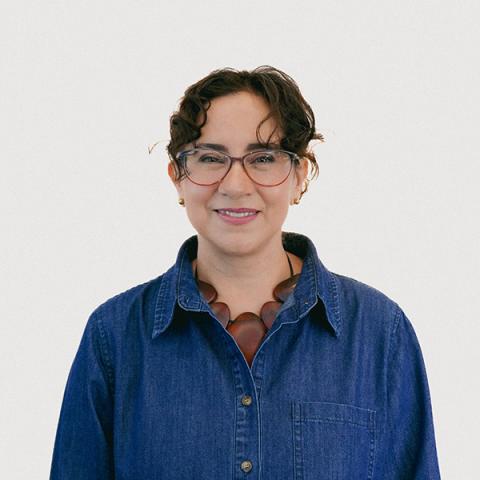
Ana Cristina Arteaga

Ana Cristina Arteaga

Instructor

  • Specialist in University Teaching, 
  • Master's Degree in Special Education with a Specialization in Education of People with Visual Disabilities, 
  • Advanced Diploma in Values ​​Education
  • Bachelor of Science in Education, with a specialization in Early Stimulation and Early Intervention

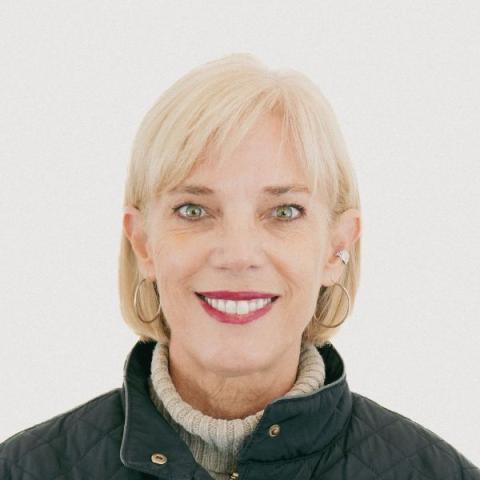
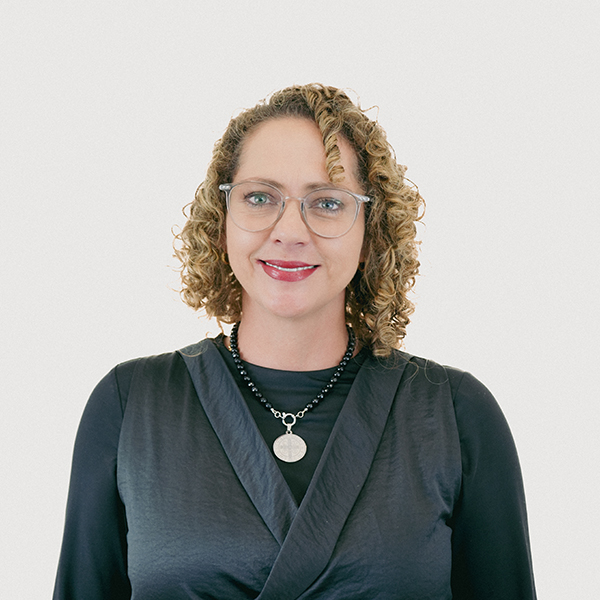
Diana Lee Rhodes Reinbach

Diana Lee Rhodes Reinbach

Instructor

  • Professor of Educational Sciences, Specialization in Special Education
  • Master's degree in English Language and Applied Linguistics

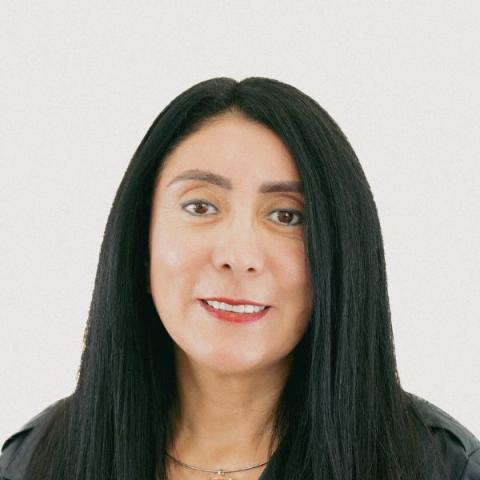
Julia Avecillas Almeida

Julia Avecillas Almeida

Instructor

  • Master's degree in Cultural Studies, specializing in Latin American Literature
  • Master's Degree in Educational Management and Leadership
  • Bachelor of Science in Education 

Karina Huiracocha Tutiven

Karina Huiracocha Tutiven

Instructor

  • Bachelor's Degree in Special Education
  • Master's Degree in Early Childhood Intervention and Education
  • Professor of Educational Sciences
  • Doctor of Humanities and Arts with a specialization in Educational Sciences
  • Doctor of Educational Sciences, with a specialization in Special Education and Early Stimulation

Eulalia Tapia Encalada

Eulalia Tapia Encalada

Instructor

  • Professor of Educational Sciences specializing in Special Education
  • Master's Degree in Early Childhood Intervention and Education
  • Bachelor of Science in Education, Specializing in Special Education and Preschool

Ximena Vélez Calvo

Ximena Vélez Calvo

Instructor

  • Bachelor of Science in Education with a specialization in English
  • Master's Degree in Early Childhood Education
  • PhD within the Cognitive Neuroscience and Education Program
  • Bachelor of Science in Preschool Education

Viviana Andrade Borrero

Viviana Andrade Borrero

Instructor

  • Bachelor of Science in Education, specializing in Early Childhood Education
  • Master's degree in Early Childhood Intervention and Education.
  • Specialist in University Teaching

Adriana León Pesántez

Adriana León Pesántez

Instructor

  • Medical Technologist
  • Master's Degree in Early Childhood Intervention and Education
  • Bachelor of Science in Education

Content

Content

  • Content
  • Topic 3

  • Disability: Social and rights paradigm
  • Epistemology of Special Education
  • Current situation and challenges of Special Education
  • Intellectual disability: support and learning strategies
  • Motor disability: support and learning strategies
  • Autism Spectrum Disorder
  • Visual impairment: support and learning strategies
  • Hearing impairment: support and learning strategies

Recipients

Recipients

Primarily aimed at professionals and students in the field of education who work or are training to work with people with disabilities.

Date

Dates

26th to 27th November 2026

Investment

Investment

UDA Community

$ Free

General public

$ Free

Certificates

Certificates

Once the activities and requirements for the development of the course have been fulfilled, the participants will receive the Certificate of Approval , based on what is established in the Regulations of the Department of Continuing Education, that is, that the participant obtains a minimum of 70% in the academic evaluation and 80% attendance at the face-to-face or synchronous classes.

Information

More Information

More information about this course

*This is not a registration form.


CAPTCHA
This question is to check if you are a human visitor and to prevent automated spam submissions.

Share